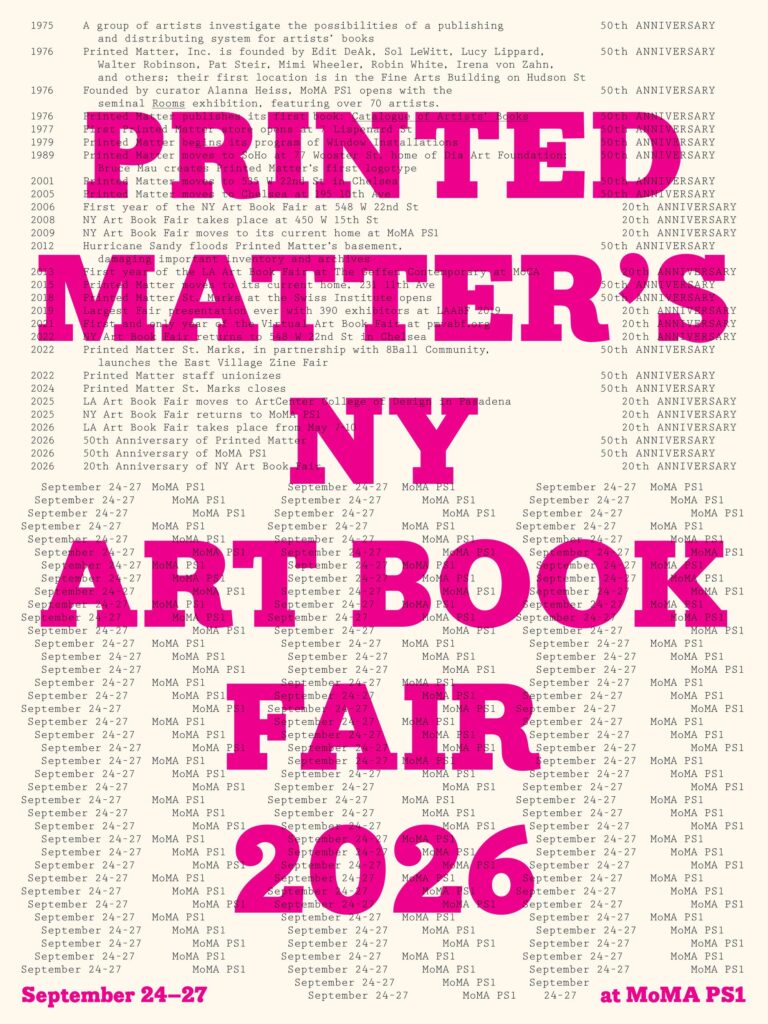
Printed Matter’s NY Art Book Fair (NYABF) is the largest international gathering for the distribution of artists’ books, celebrating contemporary artists’ publishing and the medium’s rich history. NYABF 2026 marks 20 years since the first NYABF took place in Chelsea, Manhattan. This year, Printed Matter and MoMA PS1 are also each celebrating their 50th anniversaries. Both artist-centered organizations opened to the public in 1976 and have continued their steadfast commitment to supporting artists ever since.
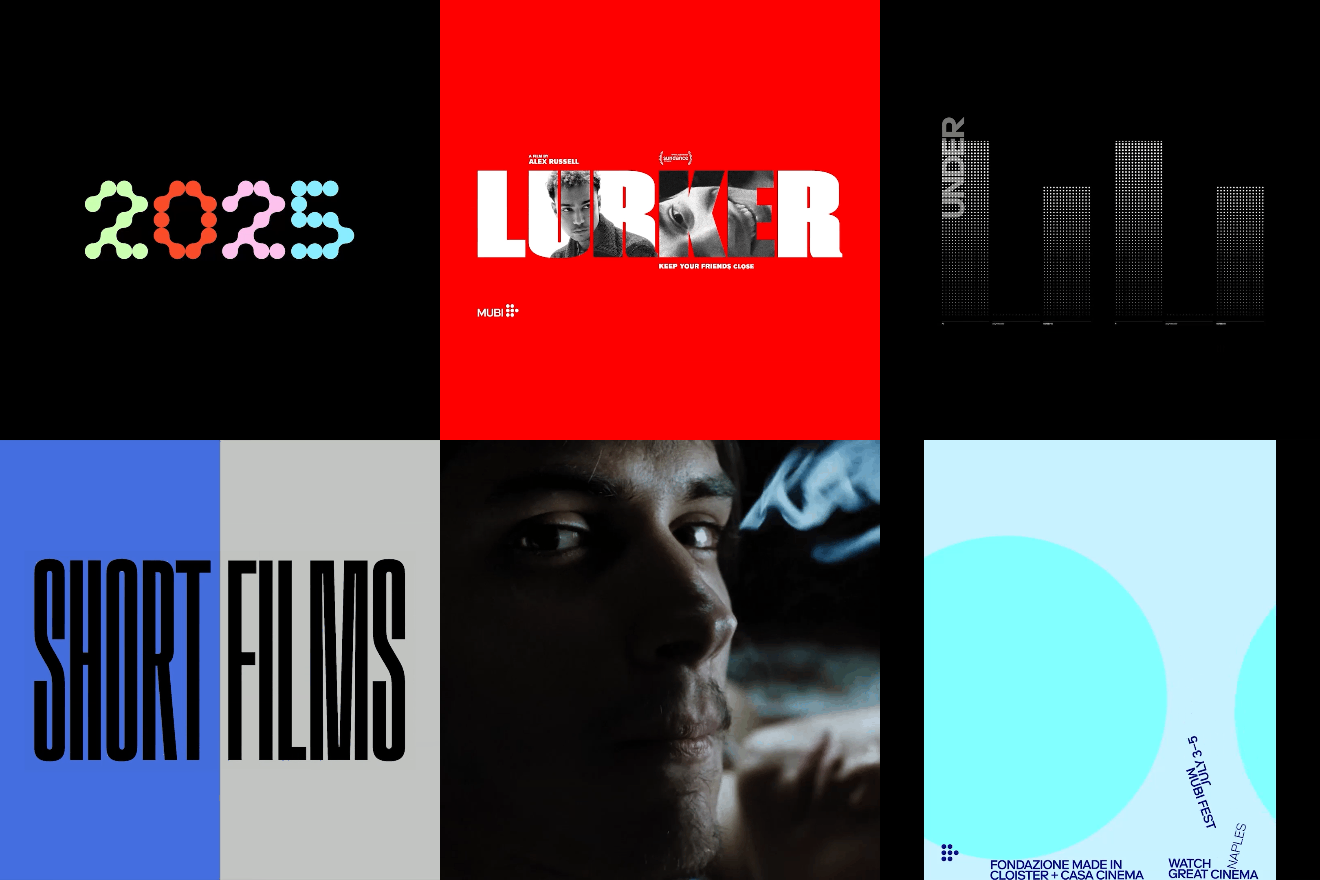
MUBI LAB: How MUBI’s creative team built a distinctive cinematic identity through typography, video editing, motion, and print design, creating a visual language that extends the platform’s curatorial vision across every touchpoint of its ecosystem.
We’re excited to have, Pablo Martín, Creative Director at MUBI, and Michelle Cho, Head of Creative at MUBI, as they share how their team brings that identity to life, from the systems and decisions behind the screen to the print and physical pieces that carry it into the world. Expect a behind-the-scenes look at process, collaboration, and craft, and how a small in-house team keeps a distinct point of view consistent across film, motion, and print.
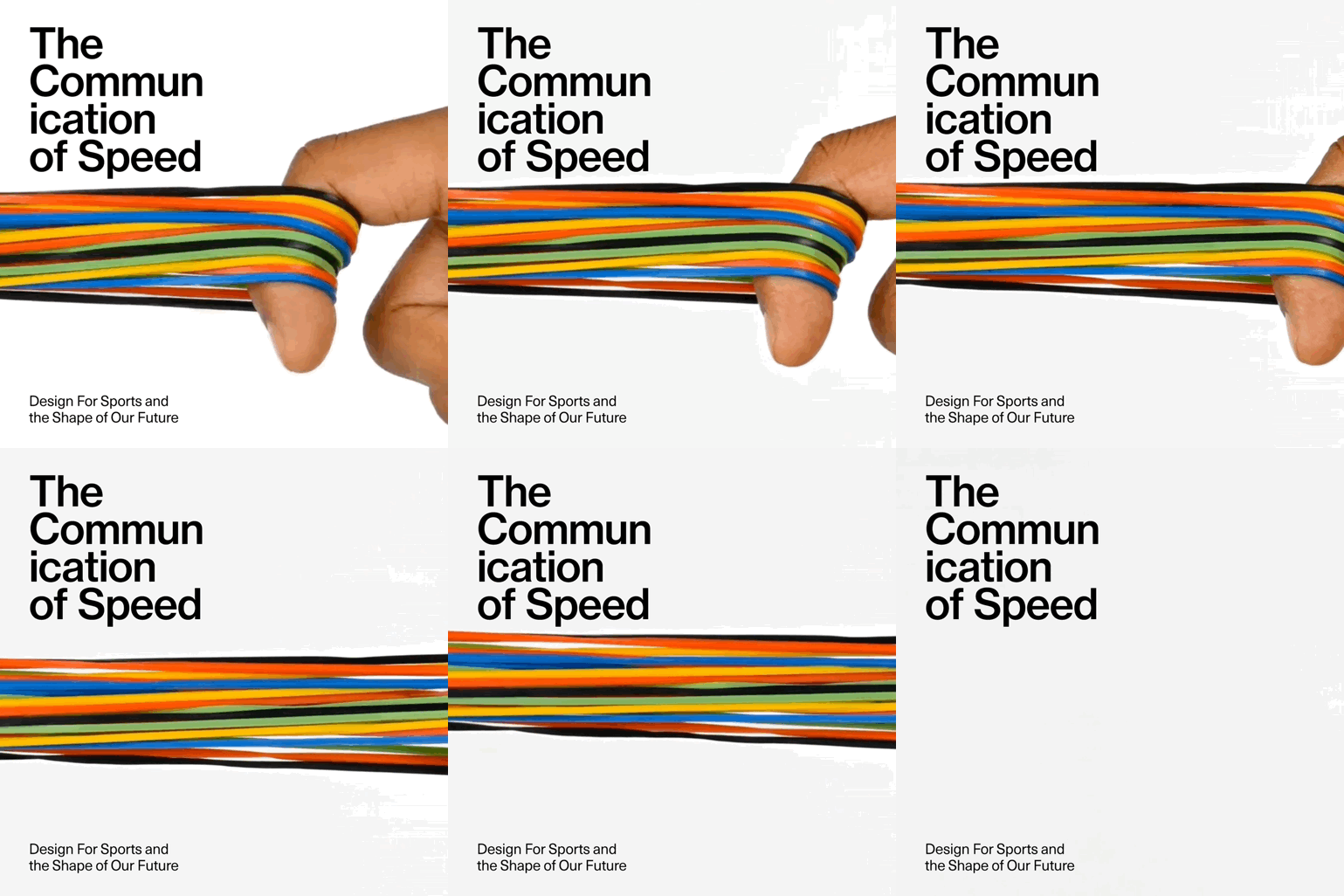
AIGA NY and the Museum of Arts and Design invite you to join artist and designer Julian Alexander, co-founder of Doubleday & Cartwright, Christopher Isenberg,and fine artist Simi Mahtani, for an invigorating conversation about design for sport. Both fields have shared tenets and goals that are an integral part of shaping our future.
This in-person discussion is important in our field, and like sport, this discussion rewards practice and participation.
Another word for flow state is imagination. When you’re imagining, you are in the unified field. Here, ideas and performance are one.
Cooper Hewitt, Smithsonian Design Museum 2 East 91st Street New York NY 10128
Occupying the entire first floor of the museum’s Carnegie Mansion, Design Across Time expands public access to Cooper Hewitt’s collection and includes significant works newly brought out of storage. Through objects spanning time, geography, and discipline—including graphic design, product design, fashion, textiles, furniture, wallcoverings, digital design, and architecture—this exhibition highlights the breadth of the national design collection.
Design Across Time organizes the museum’s vast collection around thematic clusters to explore some of the many approaches designers use in their creative process. Designers Play and Tweak to experiment and iterate ideas. They Repeat elements to reinforce messages; Transform materials into sustainable solutions; Show Off craftsmanship to create objects of beauty; or Simplify complex shapes and information.
Museum of Arts and Design 2 Columbus Cir, New York, NY 10019
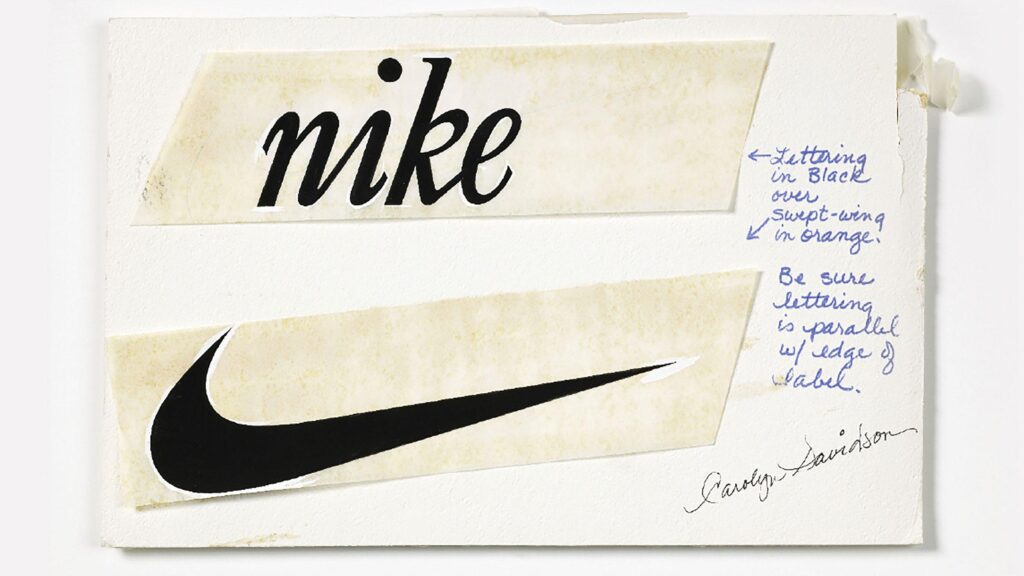
The ultimate exhibition of the world’s most influential sports brand, Nike: Form Follows Motion traces Nike’s growth over the last five decades from a small Oregon running company into a global cultural force. Drawn primarily from the Department of Nike Archives (DNA), the exhibition assembles rarely seen experimental prototypes, original design studies, rarities, and one-offs alongside the brand’s most iconic shoe collaborations; showcasing sport as a driver of design innovation and global change.
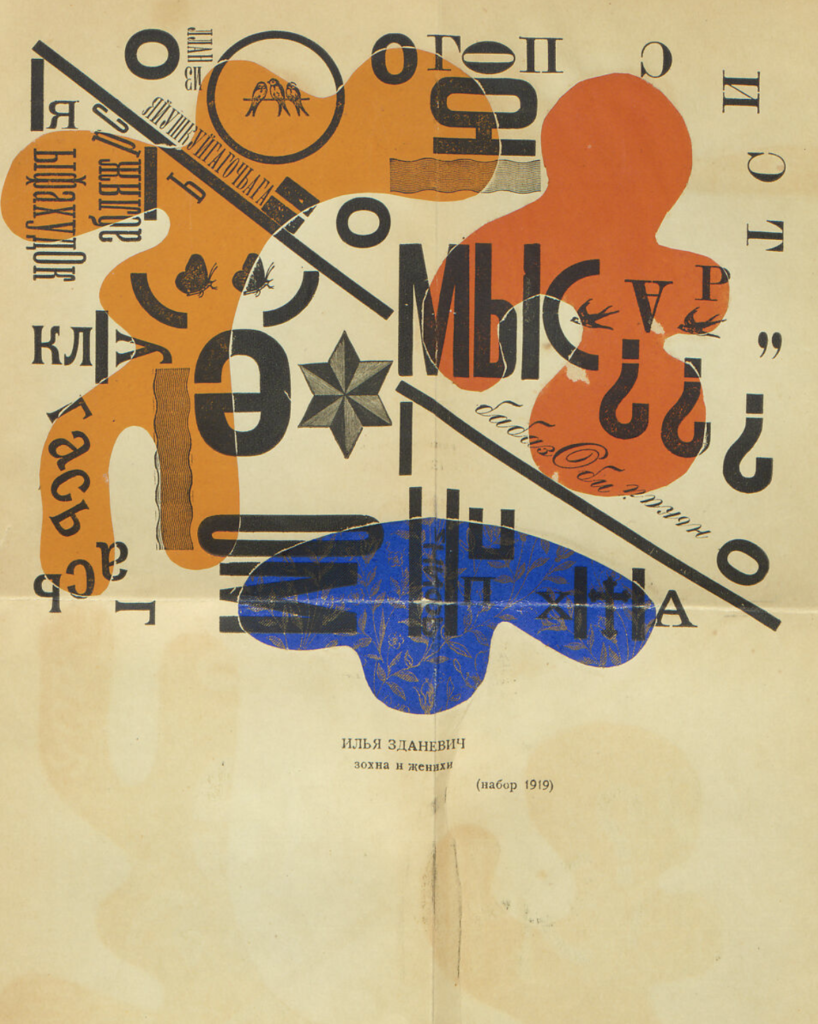
This exhibition highlights modernist and avant-garde artist publications and collaborations created in the country of Georgia between 1917 and 1928.
Under Russian rule from the early 19th century until the collapse of the Russian Empire in 1917, Georgia enjoyed a brief period as an independent, democratic republic from 1918 to 1921. During this time, the Georgian city of Tiflis (renamed Tbilisi in 1936) was a convening point for artists and writers from a wide range of backgrounds, nationalities, ethnicities, and artistic tendencies. Art and literary cafes flourished, providing supportive environments for avant-garde poetry recitations, lectures, performances, and exhibitions.
This exhibition offers an introduction to the distinctive styles and movements that developed in Tiflis during this period and their manifestations in print, revealing a history of modernist art beyond Western Europe. Featured publications show references to Cubism, Futurism, Expressionism, Constructivism, and Dada, fused with elements of regional culture, folklore, and medieval art.
Frederick P. Rose Auditorium 41 Cooper Square New York, NY 10003
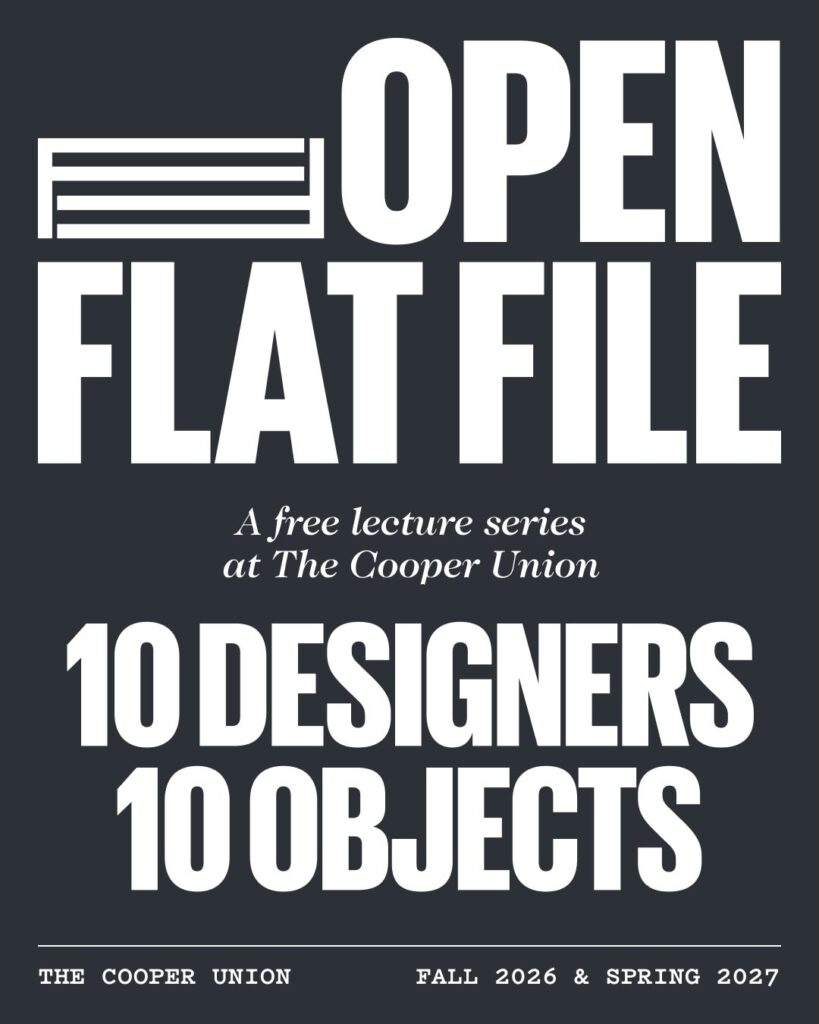
Open Flat file marks the tenth year of the publication and the Center’s 40th anniversary with a ten-part lecture series. Ten designers, artists, and researchers are invited to each select a single object from the collection and will respond to it through a free public talk at The Cooper Union. Lecturers will design a commemorative poster to be distributed at the event.
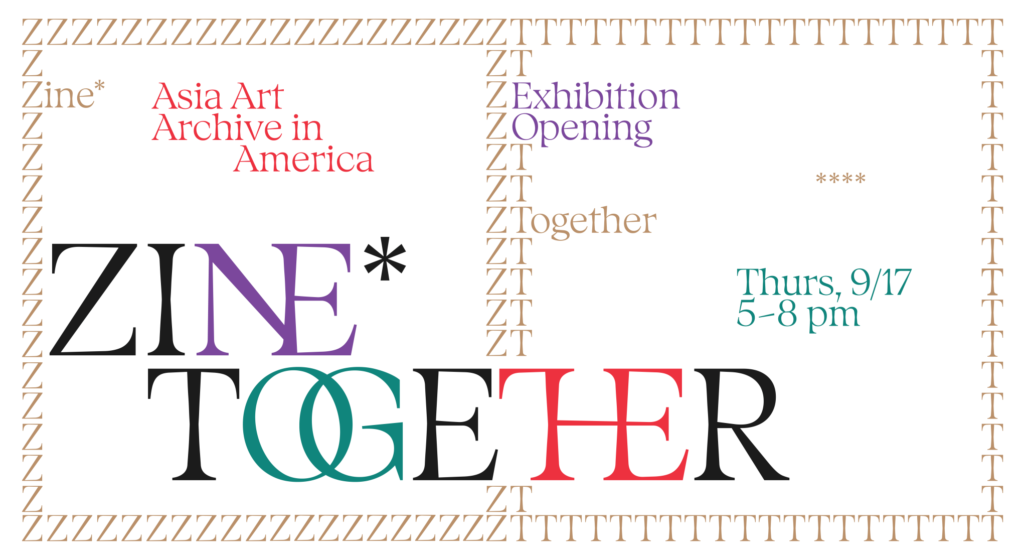
Zine* Together is the first exhibition of its kind to examine Asian American zines not only as objects, but as actions—creative, collective, and relational. Drawing from Asia Art Archive in America’s Reading Room collection, this exhibition highlights collaboratively produced zines from 2010 to the present, alongside newly commissioned projects and prompts that trace zine-making as a mode of shared authorship and community building.
In the 1960s and 1970s, zines (short for “magazines” or “fan-zines”) were characterized by their photo-copied, staple-bound formats and emerged as popular do-it-yourself platforms for sharing counter-cultural socio-political programs and avant-garde art practice. In more recent decades and particularly in Asian American communities, zines have served as a place to explore artistic narratives, diasporic histories, and collective responses to marginalization.
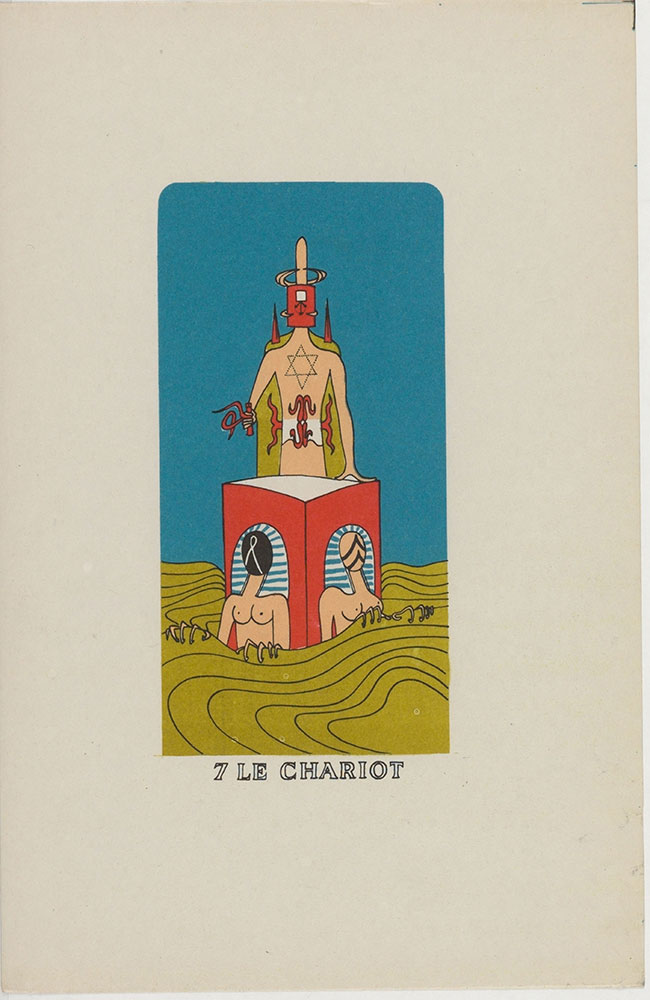
Conceived in two parts, this exhibition explores the origins of tarot in Renaissance Italy and its contemporary relevance as an enduring source of inspiration for twentieth- and twenty-first-century artists.
Free Fridays: The Morgan is free from 5 PM to 8 PM every Friday. Reservations are required. Tickets are available one week in advance.
Free College Sundays: Graduate and undergraduate college students are free on the first Sunday of each month. Tickets are available one month in advance. Reservations are encouraged.
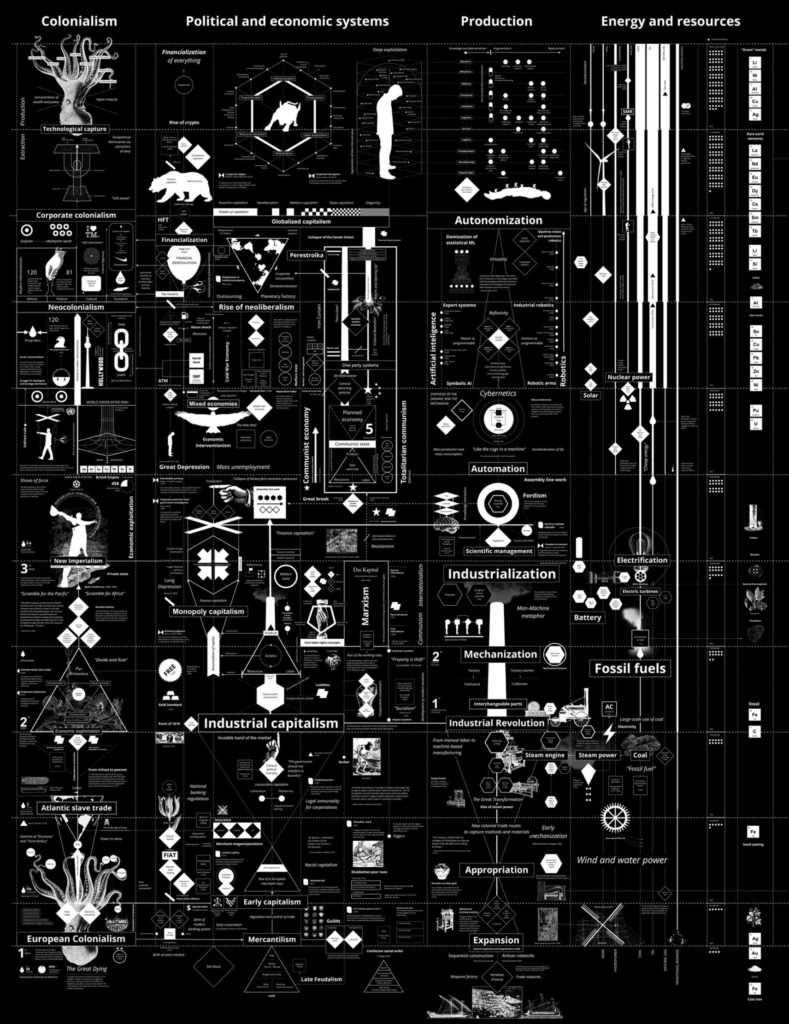
We swim in an ocean of data. Every click, weather pattern, border crossing, and blood test is tracked and fed into systems that increasingly inform our daily behaviors. Data, however, is not knowledge. Before it can be put to use, it must first be translated—through design. Full Disclosure explores how contemporary designers act as essential interpreters of this cultural revolution, transforming raw data into visual stories we can understand and use.
While the practice of mapping information is as ancient as abstract thought—stretching back to cosmological charts and cave drawings—computer logic, algorithms, machine learning, and artificial intelligence have upended the field of data visualization. Today’s practitioners create dynamic networks and animated narratives, expanding far beyond traditional charts and graphs. At a time when public confidence in big data and institutions has frayed, data visualization deals in trust as much as in truth, rendering design choices and sources ever more vital.
Full Disclosure showcases an array of projects, both digital and analog, that encourage close looking and critical examination. Visitors will discover how contemporary information designers distill data to give form to invisible systems, expose hidden structures of power, preserve histories, and capture the intimate nuances of human experience.